
5 Common Office Allergens & How To Get Rid Of Them
It might surprise you how many allergens are hiding right under your nose in the office. From desks and keyboards to the breakroom microwave handle, these everyday surfaces are prime spots for dust, dander, and other irritants to settle. Even if your workspace looks spotless, invisible allergens can linger in fabrics, air vents, and shared spaces, triggering sneezing fits, watery eyes, or even headaches for those sensitive to them.
The office carpet, in particular, is often a silent culprit. It traps everything from dust mites to pollen, while the air-conditioning system quietly circulates these particles throughout the workspace. Over time, these allergens can build up, affecting not just comfort but productivity, too. The good news? Once you identify the usual suspects, keeping them under control becomes much easier.
Let’s look at five of the most common office allergens and how to get rid of them effectively for a healthier and more comfortable workplace.
1. Dust mites
Dust mites are tiny creatures that thrive in warm, humid environments and feed on dead skin cells. They love to settle into carpets, upholstered chairs, and fabric partitions, places that are rarely cleaned as thoroughly as desks or hard floors. Though invisible to the naked eye, their presence can lead to allergy symptoms like runny noses, itchy eyes, and even asthma attacks.
How to get rid of them:
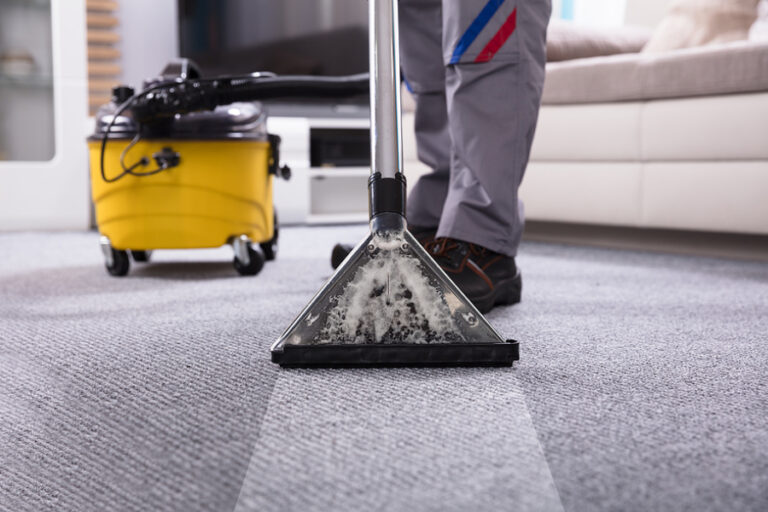
Vacuuming regularly with a vacuum that has a HEPA filter can make a big difference, as it captures fine dust and mites that standard vacuums often miss. Where possible, swap out fabric upholstery for leather or vinyl, which are easier to wipe down. If your office uses fabric-covered chairs or sofas, make sure to clean the sofa upholstery often to prevent build-up.
For larger offices, engaging professional cleaners is the best way to ensure hidden dust and mites are eliminated effectively. Companies that provide office cleaning services in Singapore use specialised equipment and safe cleaning products designed to deep-clean carpets, upholstery, and other surfaces where mites tend to hide.
2. Mould and mildew
Mould and mildew can grow anywhere moisture lingers – think bathrooms, air-conditioning ducts, or that potted plant corner no one remembers to check. The spores they release can trigger respiratory issues and allergic reactions. Even mild cases can cause musty odours and irritate the eyes, nose, and throat.
How to get rid of them:
Start by controlling humidity levels. Keep the office’s humidity below 50% if possible and ensure air-conditioning systems are serviced regularly. Fix any leaks quickly, especially under sinks or around windows. If you notice discoloured patches on walls or ceilings, don’t just wipe them away, as the problem often runs deeper.
A professional cleaning team can inspect and treat these areas thoroughly using mould-specific cleaning agents. In Singapore’s humid climate, regular preventive cleaning goes a long way in keeping mould at bay.
3. Pollen
Even though you’re indoors, pollen can easily enter the office through open windows, on clothing, or via the air-conditioning system. Once inside, it can cling to carpets, curtains, and furniture, continuing to circulate long after allergy season peaks. For those sensitive to it, pollen exposure can mean itchy eyes, sneezing, and congestion, which is not ideal for productivity.
How to get rid of it:
The first step is to keep windows closed during high pollen seasons and ensure your air-conditioning filters are cleaned or replaced regularly. Using air purifiers with HEPA filters in common areas can also help capture airborne pollen particles.
Regular professional vacuuming and deep-cleaning, particularly of carpets and drapes, make a big difference. Many businesses in Singapore hire office cleaning services for this very reason: to ensure every corner of their office, including the hard-to-reach areas, is kept allergen-free.
4. Pet dander
While not every office allows pets, pet dander can still make its way inside. It clings to clothing, bags, and even shoes, travelling easily from homes to workplaces. Dander, also known as tiny flakes of skin shed by cats, dogs, and other furry animals, can cause sneezing, runny noses, and itchy eyes, especially for those with allergies or asthma.
How to get rid of it:
If your office has a pet-friendly policy, ensure that areas where pets are allowed are cleaned more frequently. Vacuum and wipe down hard surfaces daily and consider using air purifiers to help trap floating dander.
Even in pet-free workplaces, dander can settle in carpets and on soft furnishings. A routine deep-clean by professionals can remove particles embedded in fabrics. It’s worth noting that many office cleaning services now include allergy-safe cleaning products that effectively neutralise dander without irritating sensitive skin or airways.
5. Volatile organic compounds (VOCs)
Unlike dust or pollen, VOCs aren’t something you can see, but they can be just as harmful. These are gases released from common office items such as paint, cleaning products, air fresheners, printers, and new furniture. Prolonged exposure can cause headaches, dizziness, and throat irritation, while some people may experience fatigue or difficulty concentrating.
How to get rid of them:
Start by choosing low-VOC or VOC-free cleaning and office supplies whenever possible. Keep rooms well-ventilated, especially after painting, renovation, or new furniture installation. Adding indoor plants like peace lilies or snake plants can also help absorb toxins naturally.
Professional cleaners who are experienced with green or eco-friendly cleaning methods can significantly reduce VOC levels in offices. Many modern office cleaning services prioritise the use of non-toxic products that clean effectively without releasing harmful chemicals into the air.
Keeping the office allergen-free
Getting rid of allergens isn’t just about doing a one-time deep clean. It’s about maintaining consistent hygiene habits. Encourage staff to wipe down their desks weekly, store food properly, and avoid eating at workstations. Air-conditioning filters should be cleaned or replaced every few months, and shared spaces like the pantry or meeting rooms should be disinfected regularly.
Another overlooked factor is clutter. The more items that pile up on desks or in storage areas, the more dust can collect. Encourage a minimalist workspace policy. Not only does it make the office look neater, but it also makes cleaning much easier.
Regular professional cleaning is essential for long-term allergen control, especially in larger offices where foot traffic is high. Trained cleaners have the tools and know-how to reach deep into carpets, furniture, and ventilation systems to remove allergens that ordinary cleaning can’t. This ensures your workplace remains fresh, healthy, and comfortable for everyone.
Conclusion
A clean office isn’t just about aesthetics, but about health, comfort, and productivity. Allergens like dust, pollen, and mould may seem small, but their impact on daily well-being can be significant. By keeping the workspace clean, maintaining proper ventilation, and scheduling regular deep cleans, you can create an environment where everyone breathes easier and works better.
If your business wants a spotless, healthier workspace, Lukis offers comprehensive professional cleaning services across all business sectors, ensuring your office stays clean, safe, and allergen-free from floor to ceiling.