
How Often Should You Really Clean Your Sofa Upholstery?
Office furniture isn’t something most people think twice about – it’s simply there. From the reception area to the lounge or break room, sofas are a natural part of the office setup. They offer comfort for waiting guests, a quick break spot for staff, and sometimes even serve as informal meeting spaces. But while the furniture itself is expected, its upkeep isn’t always top of mind.
Upholstered sofas, in particular, tend to bear the brunt of daily wear and tear; think dust, crumbs, coffee spills, sweat, and more. And because they’re often shared by multiple people, they can become a breeding ground for germs if not properly maintained. So, the real question is: how often should you clean your sofa upholstery in an office setting?
Why sofa upholstery cleaning matters
Unlike hard surfaces that show grime and demand immediate attention, fabric-covered sofas hide dirt well. Unfortunately, that doesn’t mean they’re clean. In fact, office sofas can collect a mix of allergens, bacteria, odours, and even mould spores over time. These hidden culprits may affect indoor air quality and contribute to sneezing fits, allergic reactions, or the spread of viruses, especially in high-traffic spaces.
Beyond hygiene, the condition of your office sofa also sends a message. Clients or visitors sitting on a visibly stained or sagging couch might wonder about your company’s attention to detail. A clean, well-maintained space, on the other hand, reflects professionalism, respect for your environment, and care for everyone who steps through your doors.
Factors that influence cleaning frequency
There’s no one-size-fits-all answer to how often office sofas should be cleaned. Several factors come into play:
1. Foot traffic
If your office receives frequent visitors, especially in areas like reception, waiting lounges, or meeting rooms, your sofas are likely used more often. The higher the usage, the more frequently the upholstery should be cleaned. In a busy environment, professional cleaning every 3 to 6 months is recommended.
2. Type of upholstery fabric
Some fabrics, like leather or vinyl, are easier to wipe down, while others, like cotton, linen, or synthetic blends, absorb more dirt and stains. The more absorbent and delicate the material, the more regular the deep cleaning required to maintain its integrity.
3. Colour and design
Light-coloured sofas show stains and dust more readily than darker ones. If your upholstery is in a shade that reveals every spill or scuff, more frequent touch-ups and deep cleans will help maintain appearances and extend its usable lifespan.
4. Office environment
Offices located near construction zones, roads or industrial areas may experience more dust and grime. Similarly, open-plan layouts or poorly ventilated spaces can trap smells and humidity, which speeds up the deterioration of soft furnishings.
5. Food and drink habits
Sofas in staff break areas, pantries or lounge zones where employees eat or drink need more frequent attention. Crumbs, spills, and grease can accumulate quickly, leading to stains, odours, and even pests if left unattended.
General cleaning guidelines
As a rule of thumb, the following schedule works for most office settings:
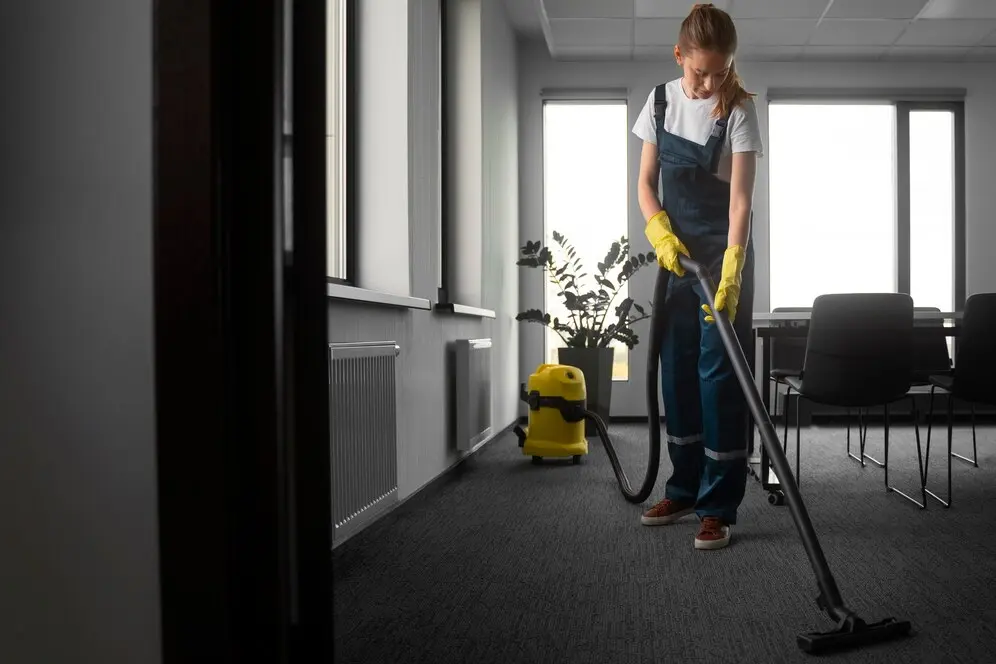
- Daily or weekly: Light vacuuming with an upholstery attachment to remove dust, hair, crumbs, and debris. Spot-clean visible stains as soon as they appear.
- Monthly: Deodorise the fabric with a fabric-safe spray, inspect for minor damage, and rotate cushions (if possible) to ensure even wear.
- Every 3–6 months: Hire a commercial office cleaning service to perform a deep upholstery clean using professional-grade tools and cleaning agents.
- Annually: Carry out a full inspection of all soft furnishings in the office to evaluate wear and decide if any items need to be reupholstered or replaced.
Consistency is key here. Keeping a calendar or setting reminders ensures your cleaning efforts don’t fall through the cracks.
When your sofa is screaming for a clean
Even with a structured routine, sofas have a way of telling you when they need more love. Here are a few warning signs that shouldn’t be ignored:
- Persistent odours: If the fabric holds onto smells even after basic cleaning.
- Stains that won’t go away: Marks and discolouration that resist standard cleaning methods.
- Frequent sneezing or sniffles in the office: This may indicate a build-up of dust mites, allergens, or mould.
- Fabric that looks tired or sagging: Indicates prolonged use without upkeep.
- Increased pest sightings: Crumbs or food spills can attract ants, cockroaches, or even rodents.
If any of these pop up, a deep clean is long overdue.
Simple ways to maintain clean sofas between deep cleans
While regular professional cleaning is vital, some simple in-house habits can go a long way in keeping office sofas fresh:
- Vacuum weekly to prevent dust build-up.
- Encourage staff to eat only in designated areas to minimise accidental spills on shared furniture.
- Blot spills immediately with a clean cloth and never rub, as this can spread the stain deeper.
- Use removable covers or throws on high-contact areas such as armrests and seat cushions.
- Leave a small reminder sign near pantry sofas: “Let’s keep this clean for everyone – no meals here!”
When reviewing your office cleaning budget, it’s also worth considering where to save and where to splurge. Daily vacuuming or occasional spot-cleaning can be handled in-house, while deep upholstery cleaning and sanitisation should be left to professional cleaners. Spending wisely in this way ensures your office looks presentable while keeping costs under control.
Finding the right professional cleaning partner
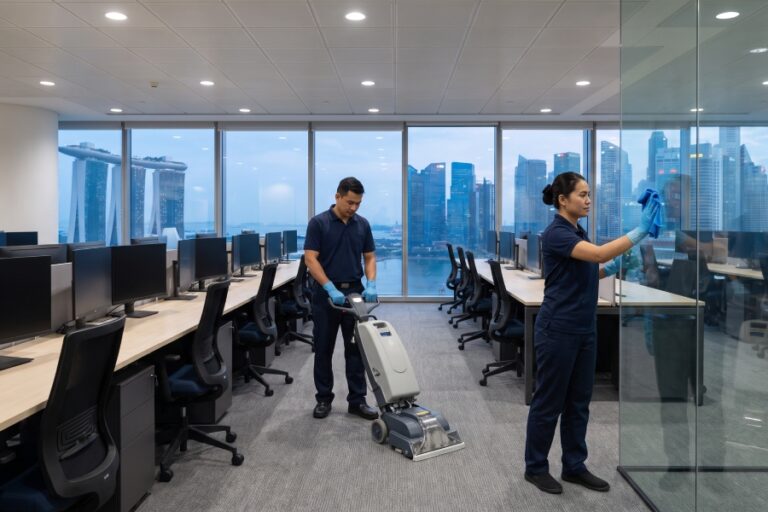
Even with the best intentions, office maintenance teams may not have the time or tools to clean upholstery deeply and safely. A trusted commercial office cleaning service brings the expertise, machinery, and fabric-safe products needed for a thorough job.
When choosing your partner, consider the following:
1. Are they experienced with commercial furniture? – Upholstery cleaning isn’t the same across all environments.
2. Can they customise services? – Some offices may need more frequent cleanings due to heavy usage.
A reliable cleaning partner should feel like an extension of your team, one that works with your schedule, needs, and standards.
Conclusion
Your office sofa may not speak, but it tells a story. Whether it’s the first impression in your reception area or the comfort zone in your pantry, the condition of your upholstery reflects your workplace values. A well-kept sofa signals that your business pays attention to the little things, and those details matter to both employees and clients.
If it’s been a while since your office sofas were professionally cleaned, consider making it a regular part of your maintenance routine. Lukis offers comprehensive professional cleaning services across all business sectors, helping offices maintain cleaner, healthier, and more welcoming spaces. Let Lukis take care of the mess, so your business can shine where it counts most.