
The Future of Office Cleaning: What’s Changing in 2026?
Office environments are evolving faster than ever, and cleaning practices are shifting right alongside them. Teams today expect workspaces that feel safe and thoughtfully maintained, far beyond the once-standard routine of emptying bins and wiping desks. As businesses adapt to hybrid schedules, shared work zones, and tech-heavy setups, the way offices are cleaned needs to keep pace with the new rhythm of daily operations.
Much like everything else these days, cleaning is becoming more connected to how people work. Employees are increasingly aware of their surroundings, and there’s a growing desire for cleaner, healthier environments that don’t just look tidy but actively support well-being. That means the cleaning industry is stepping up with fresher ideas and greener choices that make cleanliness a core part of the workplace experience rather than an afterthought.
A stronger focus on health and hygiene
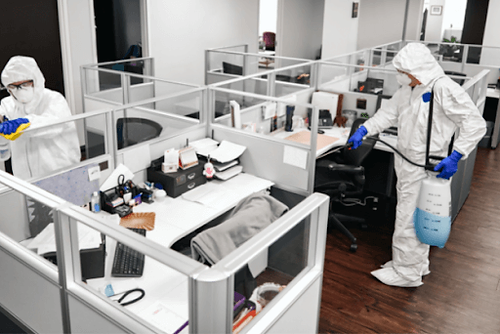
Over the past few years, the importance of maintaining a hygienic workplace has only become clearer. In 2026, businesses are prioritising deep cleaning sessions, contact-point sanitation, and more frequent refreshes of shared spaces. Employees want peace of mind, and companies are responding by treating cleanliness as essential and not optional.
This shift isn’t driven by fear but by a better understanding of how hygiene influences productivity and overall well-being. Offices that invest in improved cleaning protocols notice fewer sick days, fewer complaints, and a stronger sense of confidence among staff.
Smart technology takes centre stage
Smart cleaning technology is no longer just a futuristic concept. It’s now part of everyday operations. Autonomous cleaning robots, for instance, can take care of repetitive tasks like vacuuming large floor areas or scrubbing hard surfaces. This frees professional cleaners to focus on more detailed work that requires human judgment and care.
IoT (Internet of Things) sensors are also becoming popular. These devices monitor foot traffic, air quality, and even soap levels in washrooms. They alert cleaning teams in real time, helping them prioritise areas that need immediate attention. Instead of following rigid schedules, cleaners can work dynamically and efficiently.
Sustainable cleaning is becoming the norm
Businesses today don’t just want clean offices; they want cleaning practices that are environmentally responsible. In 2026, eco-friendly cleaning has moved from being a “nice option” to a standard expectation.
This means switching to biodegradable cleaning solutions, reusable microfibre cloths, and energy-saving equipment. Some companies are even eliminating harsh chemicals entirely and opting for natural alternatives that still deliver powerful results. Green certification for cleaning services is also on the rise, giving businesses a clear way to choose providers who align with their sustainability goals.
Cleanliness that supports employee experience
Offices are no longer just places to work. They are places to collaborate and recharge. Because of this shift, cleaning strategies now take into account how people interact with the space.
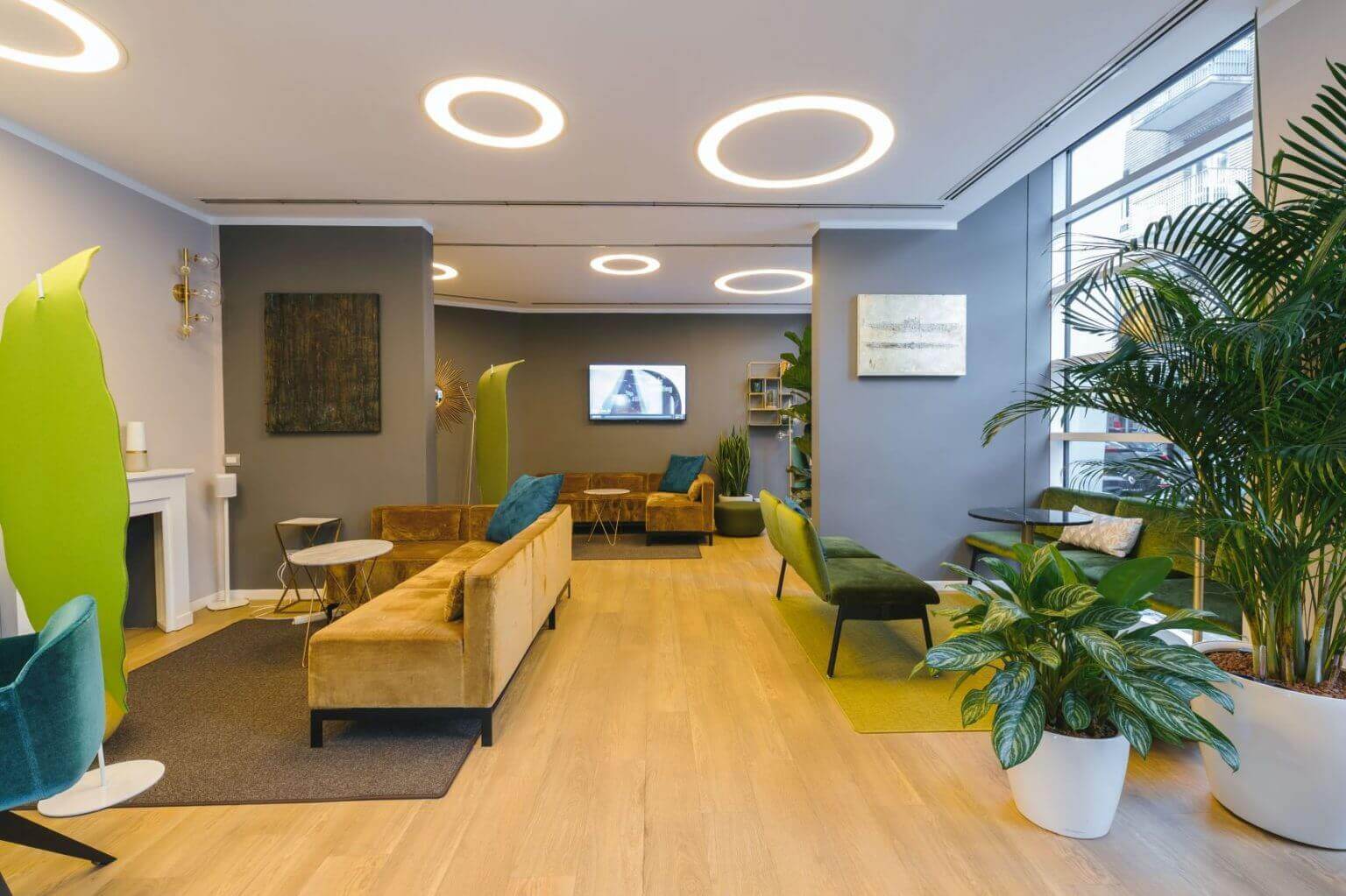
Breakout zones and shared lounges need more regular upkeep. Soft furnishings like chairs and couches require deeper care. Many businesses today look for services that can clean sofa upholstery without disrupting the flow of the workday.
There’s also growing attention on indoor air quality. Cleaners now use HEPA-filtered equipment, air purifiers, and dust-minimising methods to ensure staff breathe cleaner, healthier air.
Flexible cleaning for hybrid work
Hybrid schedules mean offices are no longer fully occupied every day. Some days see high foot traffic; others remain quieter. This uneven pattern calls for flexible cleaning arrangements that adapt to actual usage rather than fixed routines.
Instead of cleaning the entire office daily, companies in 2026 prefer targeted cleaning. High-usage zones, like meeting rooms and pantries, receive more frequent care, while lesser-used areas are cleaned only when needed. This approach is more efficient and reduces waste while keeping the workplace consistently fresh.
Growing demand for specialised cleaning services
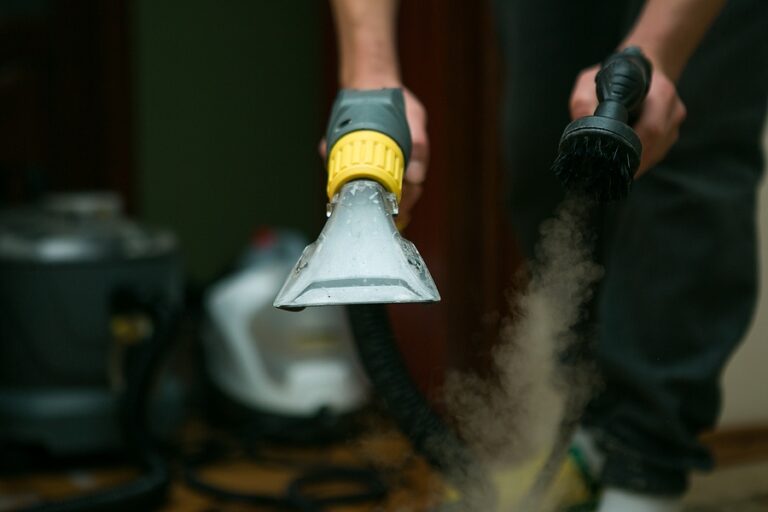
With offices filled with carpets, glass partitions, fabric seats, and sensitive electronic gadgets, the demand for specialised cleaning is on the rise. Services like carpet cleaning in Singapore are becoming essential instead of occasional add-ons. Carpets trap dust, allergens, and dirt quickly, especially in busy offices, so professional treatment ensures they last longer and remain hygienic.
Similarly, more businesses are investing in deep cleaning for upholstery, sanitisation for office chairs, and careful cleaning around workstations filled with cables and devices. These tailored services ensure every corner of the office receives the care it needs.
Data-driven cleaning for better results
Cleaning in 2026 is increasingly guided by data rather than assumptions. Sensors, digital tracking tools, and cloud-based reporting allow cleaning teams to record what was done, when it was done, and what needs attention next.
For businesses, this means complete transparency. Facility managers can access dashboards showing daily cleaning tasks, inventory levels, and feedback from staff. Adjustments can be made instantly, improving outcomes and reducing unnecessary costs.
Human touch remains important
Despite advancements in automation, the cleaning industry in 2026 still relies heavily on skilled professionals. Technology enhances the process, but it doesn’t replace the human element. Cleaners bring attention to detail and judgment, which are qualities machines can’t replicate.
In fact, as expectations for workplace cleanliness increase, cleaners are now recognised as important contributors to a positive work environment. They’re trained not only in handling equipment but also in safety protocols and sustainability practices.
Preparing for the workplace of the future
Looking ahead, office cleaning will continue evolving as workplaces change. As more companies explore flexible layouts, wellness-friendly spaces, and tech-enhanced operations, cleaning services must keep innovating to stay relevant and effective.
Future offices might include touchless surfaces, self-sanitising materials, or even integrated UV-C lighting systems that disinfect spaces automatically. Cleaners will play a key role in maintaining and complementing these technologies.
Conclusion
The future of office cleaning in 2026 is shaped by smarter tools, greener practices, and a stronger focus on creating healthy environments. Businesses are becoming more intentional with how they maintain their spaces, recognising that cleanliness plays a direct role in employee satisfaction and overall productivity. Whether through data-driven cleaning, sustainable solutions, or specialised services, cleaning has become an essential part of the modern workplace experience.
If you’re looking for reliable, comprehensive, and professional cleaning solutions for your business, reach out to Lukis, offering high-quality cleaning services across all commercial sectors to keep your workplace spotless, healthy, and ready for the future.