
Why Singapore’s Humidity Demands Annual Carpet Cleaning
Singapore’s weather behaves very differently from what many people experience elsewhere. Heat is constant, rain appears without warning, and humidity lingers day and night. Unlike countries with cold winters or dry seasons that give interiors a break, local offices operate in moisture-heavy conditions all year round. This affects more than comfort. It quietly shapes how indoor spaces age, especially soft surfaces like carpets.
Carpets may look clean on the surface, yet Singapore’s climate encourages dust, moisture, and microorganisms to settle deep within the fibres. Even well-maintained offices can be affected without realising it. Over time, this invisible buildup impacts air quality, hygiene, and how a workplace feels to staff and visitors alike.
Humidity and carpets are a risky mix
Humidity refers to moisture in the air, and Singapore’s levels are consistently high. When air carries this much moisture, carpets act like sponges. They absorb humidity from the environment, along with spills, tracked-in rainwater, and condensation from air-conditioning systems.
Once moisture settles into carpet fibres and underlays, it creates the perfect environment for mould spores and bacteria to grow. These problems rarely appear overnight. They develop slowly, often unnoticed, until odours linger or allergies flare up among staff.
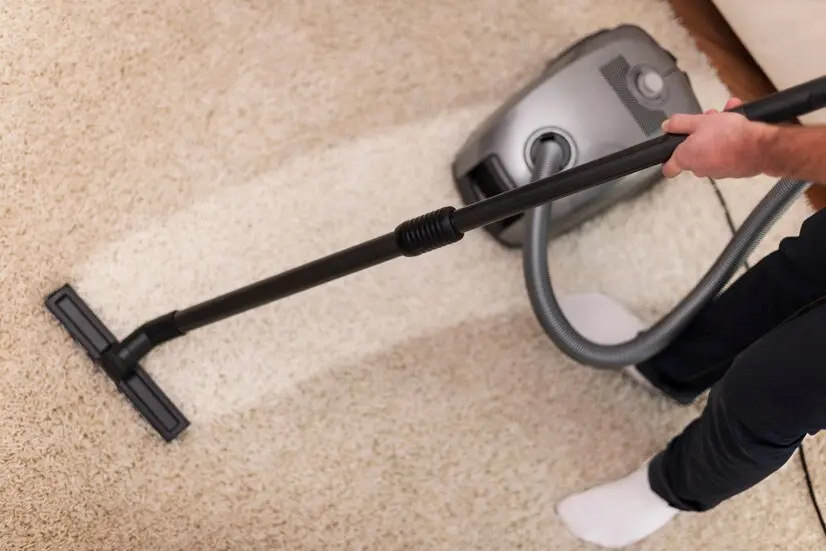
Vacuuming helps with surface debris, but it cannot remove trapped moisture or deep contaminants. Without regular deep cleaning, carpets become long-term storage for what the air leaves behind.
How mould develops quietly underfoot
Mould does not need visible water to grow. It thrives in warm, damp, low-ventilation environments, which describes many office carpets in Singapore. Areas near windows, entrances, pantries, and meeting rooms are especially vulnerable.
Once mould takes hold beneath the surface, it releases spores into the air whenever someone walks across the carpet. This can contribute to respiratory irritation, headaches, and fatigue, even if staff cannot see the source.
This is why preventing mould in office carpets is less about reacting to visible problems and more about consistent, proactive care that removes moisture before it becomes an issue.
Dust and allergens build up faster than expected
Singapore’s urban environment adds another layer of concern. Fine dust from roads, construction sites, and nearby buildings easily enters offices through shoes, clothing, and open doors. In a humid climate, this dust clings to carpet fibres rather than staying loose.
Over time, carpets trap pollen, skin flakes, and microscopic particles that standard cleaning cannot fully remove. As people move around, these particles are disturbed and released back into the air.
Annual deep cleaning helps reset the carpet by extracting embedded debris, improving indoor air quality, and making the workspace feel noticeably fresher.
Air-conditioning is not a complete solution
Many assume that air-conditioning keeps offices dry enough to prevent carpet issues. While air-conditioning reduces heat, it does not always eliminate moisture effectively, especially in high-traffic commercial spaces.
Condensation can form when warm, humid air meets cool surfaces. Carpets near vents or windows may stay slightly damp even if the room feels cool. Over time, this low-level moisture contributes to odours and microbial growth.
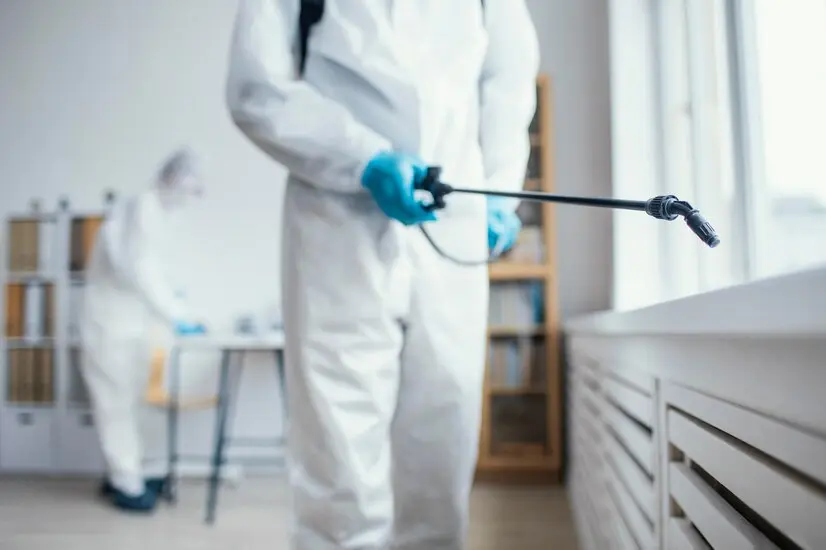
Professional cleaning methods are designed to remove moisture thoroughly and ensure carpets dry properly, something DIY methods often struggle to achieve.
Visual cleanliness versus actual hygiene
A carpet can look clean and still harbour contaminants. Stains may be removed, and fibres fluffed up, yet bacteria and allergens remain deep within the pile. This creates a false sense of cleanliness that can undermine workplace hygiene standards.
Annual deep cleaning reaches beyond appearance. It targets what lies beneath the surface, restoring carpets to a condition that supports health rather than working against it.
For offices that host clients, hold meetings, or welcome visitors regularly, this matters more than many realise. Clean carpets contribute to a positive first impression, even if people cannot immediately identify why a space feels well cared for.
Health, comfort, and productivity are linked
Indoor air quality affects how people feel at work. Poor air can lead to discomfort, reduced concentration, and increased sick days. Carpets play a larger role in this than hard flooring because they interact directly with airborne particles.
By removing allergens and moisture through professional carpet cleaning in Singapore, businesses create a healthier environment that supports staff well-being. Employees may not comment on freshly cleaned carpets, but they often notice when the office feels lighter and more comfortable overall.
Why annual cleaning makes practical sense
Some businesses clean carpets only when problems become obvious. By then, damage may already be done. Annual deep cleaning works as a preventative measure, addressing issues before they affect health or require costly carpet replacement.
Singapore’s climate does not allow carpets to naturally dry out over time. Without intervention, moisture and debris accumulate year after year. An annual schedule ensures carpets are reset regularly, extending their lifespan and maintaining hygiene standards.
For offices with heavy foot traffic, annual cleaning is often the minimum needed to keep carpets in good condition.
Different spaces, different risks
Not all office areas face the same level of exposure. Reception areas, corridors, and shared workspaces see constant movement. Pantry areas may experience spills and higher humidity levels. Meeting rooms may trap odours due to limited airflow.
A thorough annual clean allows each area to be treated according to its needs, ensuring no section becomes a hidden problem spot. This tailored approach is something professional services are well-equipped to handle.
Sustainability and cost considerations
Replacing carpets is expensive and disruptive. Regular deep cleaning helps preserve fibres, colours, and structure, delaying the need for replacement. From a sustainability perspective, maintaining existing materials is far better than disposing of them prematurely.
Annual cleaning also reduces the need for frequent spot treatments, which often rely on harsh chemicals and provide only temporary results.
Creating a healthier office culture
Workplace cleanliness reflects how a business values its people. Investing in regular carpet care shows attention to details that directly affect daily comfort. It supports a culture where health, safety, and professionalism are taken seriously. In Singapore’s climate, carpets cannot be treated as low-maintenance fixtures. They require consistent care to perform their role without compromising indoor environments.
Conclusion
Annual carpet cleaning is not about ticking a box. It is about understanding how local conditions shape indoor spaces and responding accordingly. Singapore’s humidity is not a minor inconvenience. It is a defining factor that demands thoughtful maintenance choices.
For businesses looking to maintain healthier, more comfortable offices, working with Lukis makes that process easier. Lukis offers comprehensive professional cleaning services across all business sectors, helping workplaces stay clean, safe, and well cared for throughout the year.