Wool Or Synthetic Carpets: Cleaning Methods Compared
Office carpets do far more than soften footsteps. They influence indoor air quality, noise levels, and how professional a workspace feels to staff and visitors alike. Yet when it comes time to hire professionals, many businesses focus only on price or availability, without considering what their carpet is actually made of. That gap in knowledge often leads to cleaning methods that are unsuitable and, over time, costly.
Knowing whether your office carpet is wool or synthetic matters because each material reacts very differently to moisture, heat, and chemicals. A method that refreshes one carpet type can shorten the lifespan of another. For facility managers and business owners, understanding these differences makes conversations with professional cleaners clearer and helps protect a long-term investment rather than just solving a short-term hygiene issue.
Why carpet material matters more than most people realise
At first glance, most office carpets look similar once installed. Colour, pile height, and pattern often take centre stage, while material stays in the background. However, fibres determine how dirt settles, how stains bond, and how much stress the carpet can handle during repeated cleaning cycles.
Using the wrong method does not always cause immediate damage. More often, the carpet slowly loses resilience, starts to look flat, or develops odours that never quite go away. This is why reputable providers of carpet cleaning in Singapore usually ask detailed questions before recommending a process, rather than applying a one-size-fits-all solution.
Wool carpets in office settings
Wool carpets are valued for their natural feel and ability to regulate temperature. They are less common in large commercial offices but still appear in boardrooms, executive suites, and boutique workspaces where comfort and image matter.
Wool fibres are protein-based and naturally crimped. This structure traps dirt effectively, which is good for appearance but means soil can sit deep within the pile. Wool also absorbs moisture more readily than synthetic fibres, making drying time a critical consideration.
Key characteristics of wool carpets:
- Naturally resilient but sensitive to high heat.
- Absorbent, which helps with acoustics but increases drying time.
- React poorly to strong alkaline chemicals.
Because of these traits, wool requires gentler handling and precise control during professional cleaning.
Cleaning methods best suited for wool carpets
Low-moisture cleaning methods are usually preferred for wool. Techniques such as dry compound cleaning or controlled hot water extraction with neutral detergents help remove soil without oversaturating the fibres.
Professional cleaners experienced with wool carpets focus on:
- Using pH-neutral or slightly acidic solutions.
- Limiting water volume to avoid shrinkage or browning.
- Ensuring thorough extraction and ventilation to speed up drying.
Excessive agitation or overly hot water can weaken wool fibres, leading to fuzzing and a dull appearance over time. This is why wool carpets benefit more from regular, gentle maintenance rather than infrequent deep cleans.
Synthetic carpets in office environments
Synthetic carpets, made from materials like nylon, polypropylene, or polyester, dominate modern offices. They are designed to withstand heavy foot traffic, rolling chairs, and frequent cleaning without losing shape too quickly.
These fibres are less absorbent than wool, which makes them easier to dry and more tolerant of moisture. They also resist staining better, especially when treated with protective coatings during manufacturing.
Key characteristics of synthetic carpets:
- High durability under frequent use.
- Lower moisture absorption and faster drying.
- Greater tolerance for a range of cleaning chemicals.
Because of this resilience, synthetic carpets give cleaning professionals more flexibility in choosing methods.
Cleaning methods commonly used for synthetic carpets
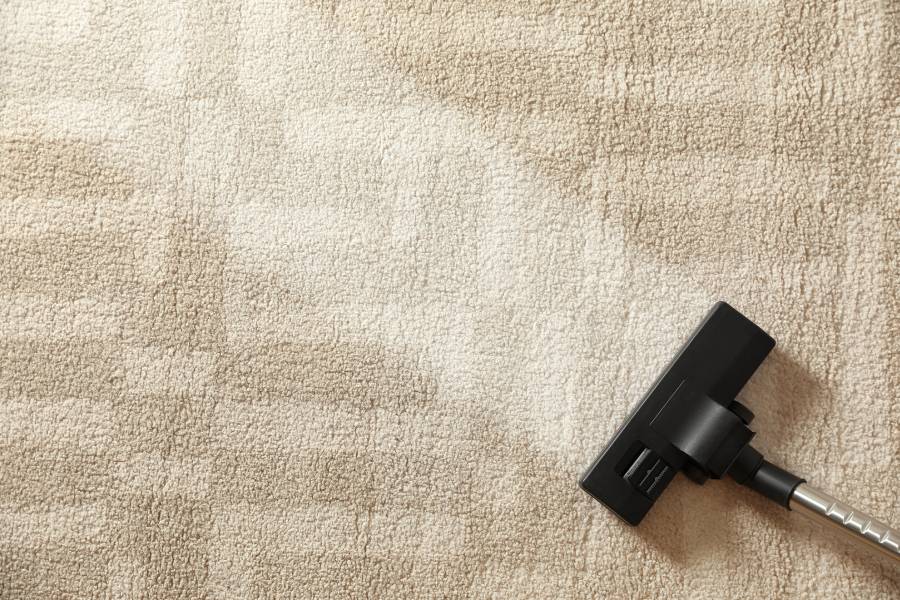
Hot water extraction is widely used for synthetic carpets, especially in large offices where deep cleaning is scheduled periodically. This method effectively flushes out embedded dirt and allergens when done correctly.
Other suitable methods include:
- Encapsulation cleaning, which uses minimal moisture and allows quick return to use.
- Bonnet cleaning for surface refreshes in high-traffic areas.
- Steam-assisted extraction for heavily soiled zones.
Synthetic carpets can handle more frequent cleaning cycles, which makes them ideal for offices with high footfall or strict hygiene requirements.
Comparing wear and tear over time
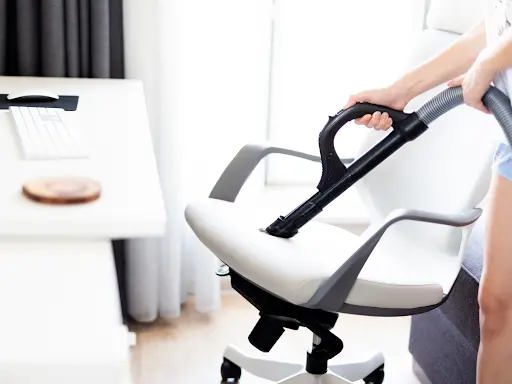
One of the most common concerns raised by office managers is whether frequent vacuuming wears out office carpets faste. This ties closely to material choice and method.
Wool carpets can show signs of wear sooner if vacuum brushes are too aggressive or if cleaning methods are overly harsh. Synthetic carpets, on the other hand, are built to tolerate repeated mechanical action, though even they benefit from properly adjusted equipment. Regular maintenance, when matched correctly to carpet material, actually extends lifespan by preventing grit from grinding away at fibres.
Moisture, drying time, and office disruption
Drying time is not just a technical detail. In busy offices, it affects productivity, safety, and scheduling. Wool carpets, due to their absorbent nature, typically take longer to dry. This may require after-hours cleaning or temporary access restrictions.
Synthetic carpets dry faster, which suits offices that operate long hours or cannot afford downtime. Low-moisture methods further reduce disruption, allowing staff to return to work within a short window.
When discussing cleaning plans, it helps to align material type with realistic operational needs rather than ideal scenarios.
Health, hygiene, and indoor air quality
Both wool and synthetic carpets can trap dust, allergens, and pollutants. Proper cleaning improves indoor air quality, but only when the method suits the material. Over-wetting wool carpets can encourage mould growth if drying is incomplete, while residue left on synthetic fibres can attract dirt quickly.
Professional cleaners who understand material differences focus on complete soil removal and proper rinsing, rather than just visual improvement. This approach supports healthier work environments over time.
Cost considerations beyond the invoice
Wool carpets usually cost more upfront and require specialised care, which can increase cleaning costs. However, with correct maintenance, they can last many years and retain a premium look.
Synthetic carpets are more economical to maintain and replace, making them popular for large offices. Their compatibility with various cleaning methods often results in lower ongoing costs and simpler scheduling. Choosing the right carpet material and cleaning approach is ultimately about balancing appearance, durability, and long-term value.
Choosing the right professional cleaning partner
The most important takeaway is that no cleaning method suits every carpet. A reliable professional will inspect fibre type, assess traffic patterns, and recommend a plan tailored to your space rather than pushing a generic service.
Clear communication about your carpet material helps cleaners select the safest and most effective process, whether for wool, synthetic, or mixed installations across different office zones.
Conclusion
Office carpets work hard every day, often unnoticed until problems appear. Understanding whether your carpets are wool or synthetic allows you to make informed decisions that protect both appearance and budget over the long term.
For businesses looking for dependable support, Lukis provides comprehensive professional cleaning services across all business sectors, with the experience to match cleaning methods to the materials that keep your workplace looking and feeling its best.