2026 Guide To Office Cleaning Costs For SMEs In Singapore
Running an SME in 2026 feels noticeably different from just a few years ago. Across Singapore, business owners are seeing price revisions almost everywhere, from utilities and rentals to manpower-related services. Office cleaning is no longer a quiet, background expense. It is one of those line items that keeps evolving, sometimes without much explanation.
Budgeting has also become more deliberate. SMEs are paying closer attention to recurring costs, especially those tied to operations. Office cleaning often only comes under scrutiny when a renewal quote lands higher than expected. Knowing how cleaning prices are structured in 2026 helps business owners plan ahead with fewer surprises and clearer expectations.
Why office cleaning costs matter more today
Workplace cleanliness has taken on a different meaning. Employees are more conscious of hygiene, clients notice details quickly, and building management teams have raised baseline standards. For SMEs, cleaning is no longer something to minimise quietly. It affects how a workplace feels and is perceived.
At the same time, overspending on unnecessary services puts pressure on cash flow. The challenge lies in paying for what truly adds value, while avoiding inflated scopes that do not match how the office is used day to day.
Average office cleaning costs SMEs can expect in 2026
While there is no official price list, most SMEs in Singapore will find that office cleaning costs fall into a few broad tiers. These ranges reflect common market practices in 2026, rather than fixed rules.
- Small offices (under 1,000 sq ft): SGD 300 to SGD 600 per month
This typically applies to teams with fewer staff and lighter daily usage. Packages at this level often include two to three cleaning visits per week, covering floor cleaning, dusting of workstations, bin disposal, washroom cleaning, and basic pantry upkeep.
For SMEs with hybrid work arrangements, this tier often offers a good balance between hygiene and cost control.
- Mid-sized offices (1,000 to 3,000 sq ft): SGD 700 to SGD 1,500 per month
Offices in this range usually have more shared spaces, meeting rooms, and higher foot traffic. Pricing varies based on cleaning frequency, the number of washrooms, and how intensively common areas are used.
Daily cleaning pushes costs towards the upper end of this range, while alternate-day cleaning keeps budgets more manageable.
- Larger SME offices or multi-unit spaces: From SGD 1,800 per month onwards
Larger spaces often require customised cleaning plans. Quotes may include supervisors, specialised equipment, or staggered cleaning schedules to minimise disruption.
At this level, pricing is influenced as much by operational complexity as by floor size.
These figures are best used as budgeting references. Final costs depend on layout, building access rules, service scope, and cleaning standards required.
Key factors that influence cleaning costs
Office cleaning prices are shaped by several practical factors. Understanding these helps SMEs make informed decisions rather than reacting to unexpected quote increases.
1. Cleaning frequency – Daily cleaning remains the most significant cost driver. While it suits high-traffic offices, many SMEs do not need it across all areas. Offices with flexible or hybrid work patterns often find that three-times-a-week or alternate-day cleaning delivers the same results at a lower cost.
2. Office layout and space design – Open-plan offices are generally quicker to clean, which helps control costs. Spaces with many enclosed rooms, glass partitions, or specialist areas require more time and detailed attention, increasing labour hours.
3. Washrooms and pantry usage – These are high-effort zones. Multiple washrooms, frequent pantry use, or shared facilities mean more frequent sanitisation, restocking, and deeper cleaning, all of which raise costs.
4. Industry-specific requirements – Certain sectors, such as healthcare, laboratories, or food-related businesses, require stricter hygiene standards. Approved chemicals, specialised procedures, or trained cleaners increase pricing but are often non-negotiable.
5. Cleaning hours and access restrictions – After-hours or early-morning cleaning can cost more, particularly in buildings with security protocols or restricted access windows. Coordination with building management also affects pricing.
By breaking down these factors early, SMEs can adjust cleaning scopes realistically and avoid paying for services that do not align with how their office is actually used.
What is usually included in standard cleaning packages
Many SMEs assume all cleaning contracts cover the same scope, but inclusions vary.
Most standard packages include:
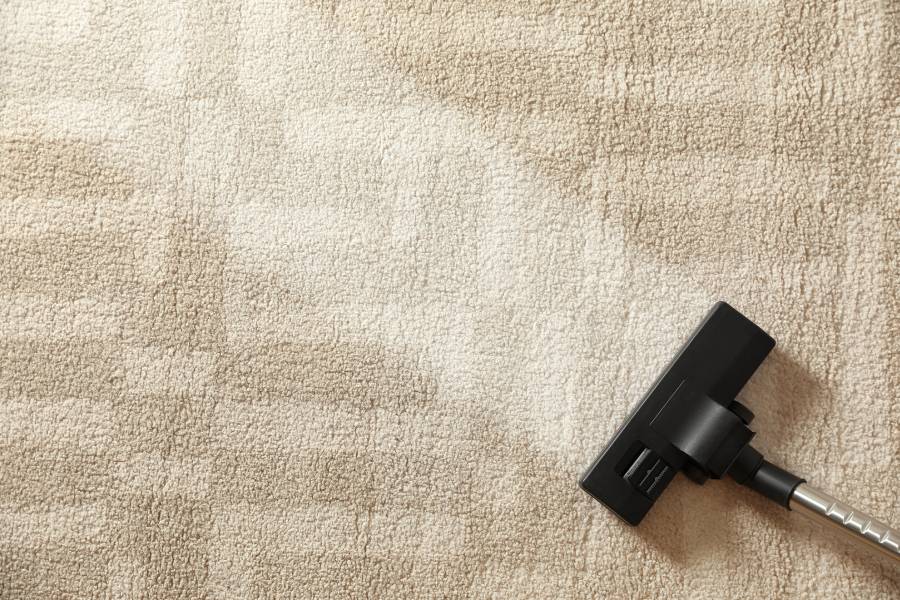
- Vacuuming, sweeping, and mopping floors
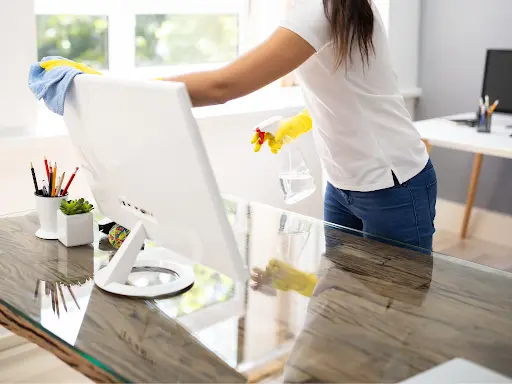
- Dusting desks, shelves, and common surfaces
- Emptying bins and replacing liners
- Washroom cleaning, including sinks, toilets, and mirrors
- Pantry surface cleaning
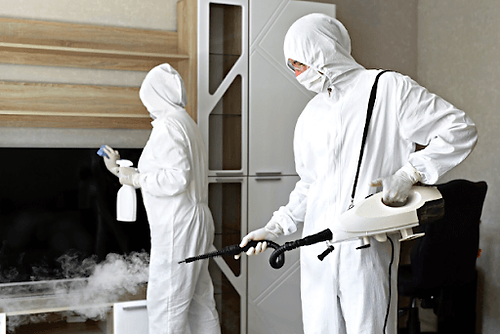
Services like carpet shampooing, external window cleaning, deep disinfection, and post-renovation cleaning are usually excluded or charged separately. Clarifying this upfront prevents misunderstandings later.
Contract cleaning vs ad-hoc cleaning
Contract cleaning remains the preferred option for most SMEs in 2026. Monthly contracts offer predictable costs and consistent service, which is especially useful for budgeting.
Ad-hoc cleaning is more flexible but often more expensive per visit. It suits temporary offices, short-term leases, or businesses with irregular schedules. Some SMEs adopt a mixed approach, using a basic contract and adding deep cleaning only when needed.
Hidden costs SMEs often overlook
One common oversight is consumables. Items like toilet paper, hand soap, and bin liners are not always included. Some cleaning companies provide them, while others expect the client to supply their own.
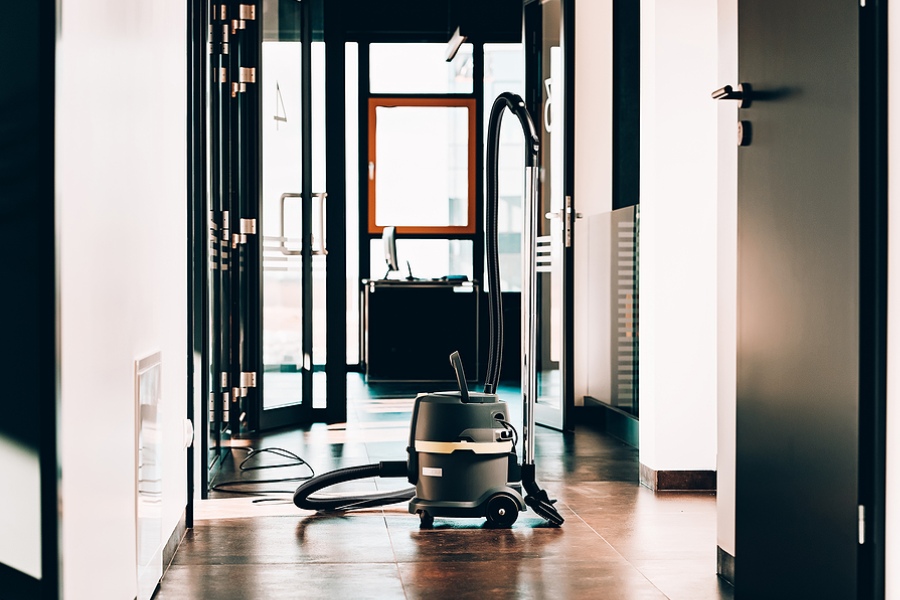
Equipment usage can also affect pricing. Floor scrubbers, high-reach tools, or specialised machines may incur extra charges, particularly in larger offices.
Staff coverage is another factor. Reliable cleaning providers factor in replacements for leave or illness. While this can slightly raise costs, it reduces service gaps and last-minute disruptions.
Sustainability and its impact on cleaning prices
Sustainability is no longer optional for many businesses. Offices increasingly request eco-friendly products and safer cleaning methods. These options can cost slightly more, but they reduce chemical exposure and support healthier indoor environments.
Cleaning companies that invest in greener equipment and staff training often reflect these costs in their pricing. For SMEs, the increase is usually modest and aligns with broader workplace well-being goals.
Budgeting more confidently for cleaning in 2026
A realistic cleaning budget starts with understanding how your office is actually used. An office with staggered workdays or flexible seating may not require full-scope daily cleaning.
Requesting itemised quotes rather than lump sums makes it easier to adjust frequency or scope without losing essential services. Annual reviews also help. Team size, office layout, and work patterns change, and cleaning needs should evolve with them. Understanding office cleaning services in Singapore as a service spectrum, rather than a fixed expense, gives SMEs more control over costs and expectations.
How cleaning expectations are changing
Technology and accountability are shaping how cleaning services operate. Many providers now use digital checklists, time-stamped logs, and reporting systems to track tasks and standards. This gives SMEs better visibility into what is actually being done.
There is also a stronger focus on hygiene training and targeted cleaning for high-touch areas, especially in shared offices. These shifts reflect the future of office cleaning and what’s changing in 2026, where cleanliness is about health assurance, reliability, and trust, not just appearances.
Choosing the right cleaning partner
Price alone should never be the deciding factor. Reliability, communication, and flexibility matter just as much, particularly for SMEs that cannot afford operational disruptions.
The right provider explains pricing clearly, understands your business environment, and tailors services rather than pushing rigid packages. A good cleaning partner supports daily operations quietly and consistently.
Conclusion
Office cleaning costs in 2026 reflect wider changes in labour, standards, and workplace expectations. For SMEs in Singapore, the goal is not to spend the least, but to spend wisely.
With clearer insight into how pricing works and what drives costs, budgeting becomes far more manageable. Partnering with Lukis gives businesses access to comprehensive professional cleaning services across all business sectors, delivered with consistency, care, and a practical understanding of modern SME needs.