
Is Your Office Client-Ready? The 5-Minute Cleaning Test
Client meetings still happen in offices, even in a world of video calls and remote work. When someone walks into your workspace for the first time, they form an impression long before the conversation begins. The way your office looks, smells, and feels quietly communicates how you work and how much care you put into details.
Whether it is a potential client, investor, or business partner, hosting meetings on-site means your office becomes part of your brand. A tidy, well-kept space helps people feel confident, comfortable, and taken seriously. On the other hand, small hygiene issues can create doubt, even if your service or product is excellent.
This is where the five-minute cleaning test comes in. It is a simple way to look at your office through a visitor’s eyes and spot problems that may otherwise go unnoticed in day-to-day routines.
What is the 5-minute cleaning test?
The idea is straightforward. Imagine you are a client arriving a few minutes early for a meeting. You have five minutes to take in your surroundings while waiting, walking in, or settling into a meeting room.
In that short window, you will notice certain things instinctively. These are not deep inspections. They are surface-level cues that shape first impressions fast. The test helps managers and office administrators assess how client-ready their space truly is, without needing a full audit or checklist every time.
Step 1: Start at the entrance
First impressions begin before anyone says hello.
Look at the main entrance from the outside. Are the doors clean and free of fingerprints? Is the floor mat worn, dusty, or neatly maintained? Signage should be clean and easy to read.
Once inside, pay attention to smells. Stale air, strong cleaning chemicals, or lingering food odours are immediately noticeable. A neutral, fresh-smelling space sets the right tone without being overpowering.
Lighting also matters. Flickering lights or dim entryways can make the office feel tired or neglected, even if the rest of the space is well-maintained.
Step 2: Assess the reception or waiting area
If a client waits, even briefly, this area becomes your silent spokesperson.
Seating should be free from stains, crumbs, or visible wear. Side tables often collect dust, water rings, and old magazines, so check these closely. Floors should be clean, especially around chair legs and corners where dirt gathers.
Reception counters deserve special attention. This is where eyes naturally land. Clutter, smudges, or overflowing trays can suggest disorganisation. A well-kept waiting area reassures visitors that they are in a professional environment that values order and care.
Step 3: Walk the common pathways
Clients often pass through hallways, open work areas, or shared spaces on the way to meeting rooms.
Check the floors first. Marks, spills, or uneven patches are easily spotted while walking. Carpets should look vacuumed rather than flattened and dusty. Desks in open areas do not need to be spotless, but they should not be visibly dirty. Overflowing bins, food wrappers, or used mugs send the wrong message, even if the work being done is excellent.
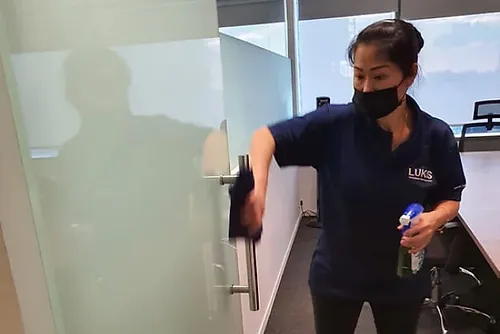
Walls and glass panels are often overlooked. Fingerprints near door handles and switches are small details that stand out surprisingly quickly.
Step 4: Focus on the meeting room
Meeting rooms are where trust is built, so cleanliness here is critical.
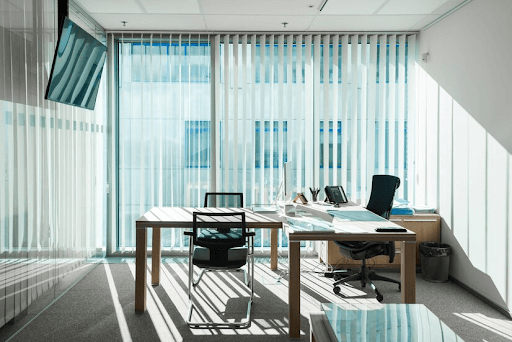
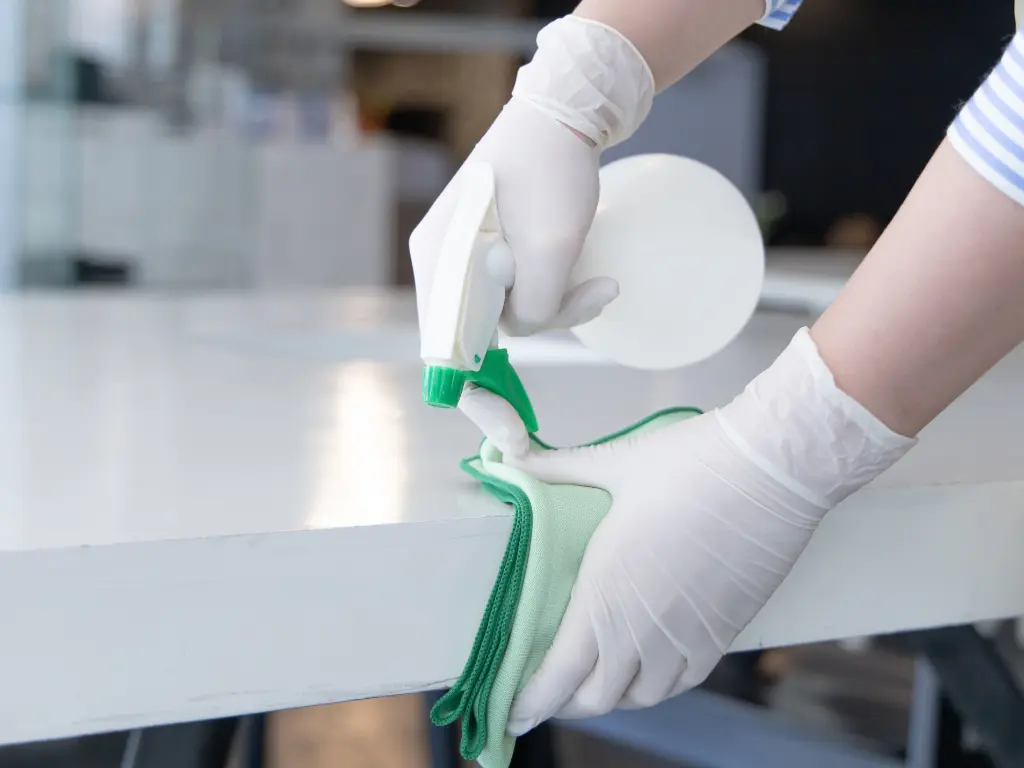
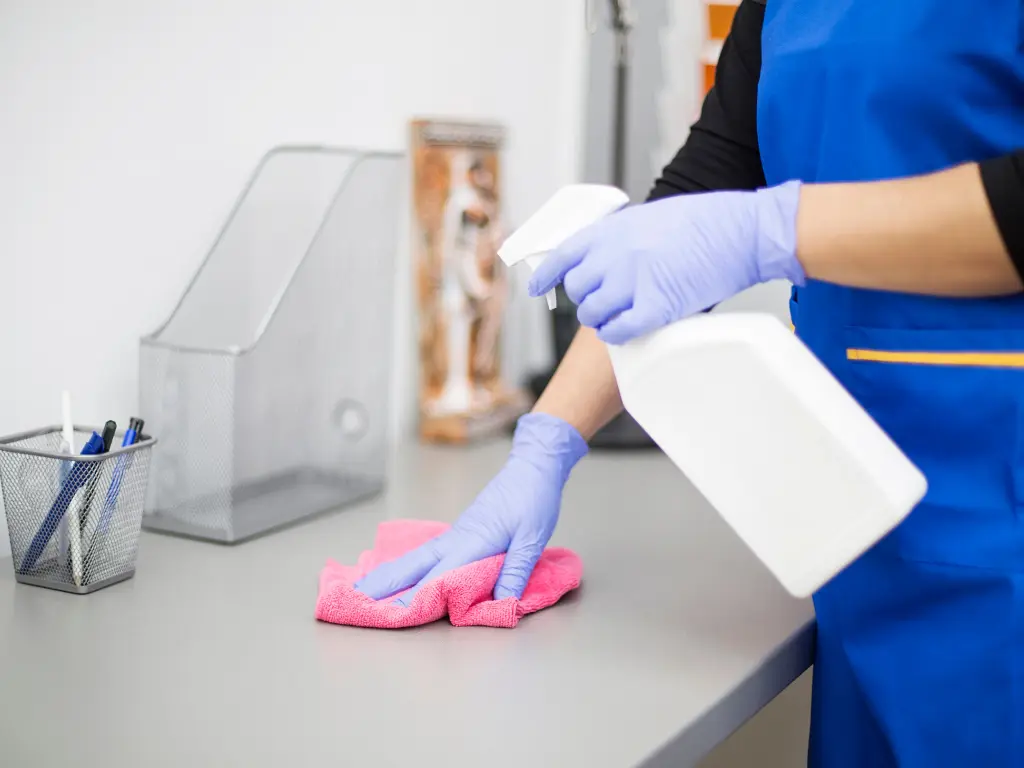
Start with the table. Wipe marks, dust, or leftover stationery can distract during discussions. Chairs should be clean and evenly arranged, not mismatched or pushed aside. Screens, whiteboards, and remote controls should be free from smudges. Clients notice when technology looks neglected, even if it functions perfectly. Air quality matters here, too. A stuffy room can make meetings uncomfortable and shorten attention spans. Clean vents and regular upkeep help keep the space fresh and welcoming.
Step 5: Do a quick restroom check
Even if clients do not use the restroom, many will notice its condition if they do.
Clean sinks, stocked soap, and dry floors are basics, not bonuses. Mirrors should be streak-free, and bins should not be overflowing. Restrooms are often seen as a reflection of overall hygiene standards. If they feel neglected, it can undermine confidence in the business as a whole.
Step 6: Look for hygiene blind spots
Some issues do not stand out to staff because they see them every day.
High-touch points such as door handles, lift buttons, and shared equipment are easy to miss but easy for visitors to notice. Dust on skirting boards, crumbs under furniture, and marks near switches all fall into this category.
Plants can also reveal cleanliness levels. Dead leaves, dusty pots, or water stains on the floor suggest maintenance gaps rather than natural décor. These small details often separate an office that looks acceptable from one that feels truly client-ready.
Why this test works for busy offices
The five-minute test is effective because it mirrors real client behaviour. Visitors do not analyse cleaning schedules or notice effort. They respond to what they see and feel in the moment. This quick audit highlights practical issues without requiring extensive time or disruption.
It also helps teams prioritise. Instead of aiming for perfection everywhere, the focus stays on areas that matter most for first impressions. When paired with regular routines and professional office cleaning in Singapore, the test becomes a simple way to maintain standards without constant oversight.
Turning observations into action
Spotting issues is only useful if they lead to improvement. Start by noting repeated problem areas. These often indicate that current cleaning routines need adjustment, rather than more effort from staff. Clear responsibilities, realistic schedules, and proper support make a bigger difference than reminders alone.
Some businesses also use this test to encourage clean habits in the workplace, reinforcing shared responsibility without placing the burden solely on employees. For many offices, the biggest improvement comes from consistency. Regular, professional cleaning ensures standards are maintained even during busy periods, peak seasons, or staff changes.
Cleanliness as part of your brand
An office is more than a place to work. It is a physical representation of how your business operates. Clean, well-maintained spaces suggest reliability, attention to detail, and respect for clients’ time and comfort. These qualities support trust, often before a single word is spoken. The five-minute cleaning test helps ensure your office supports your message, rather than quietly undermining it.
Conclusion
Client readiness is not about last-minute tidying or rushing through a checklist before a meeting. It is about creating an environment that consistently reflects professionalism and care.
Lukis supports this approach by offering comprehensive professional cleaning services across all business sectors. With experienced teams and tailored solutions, we help businesses maintain clean, welcoming offices that are ready for clients at any moment.